
The Great Tech Infrastructure Shift of 2025
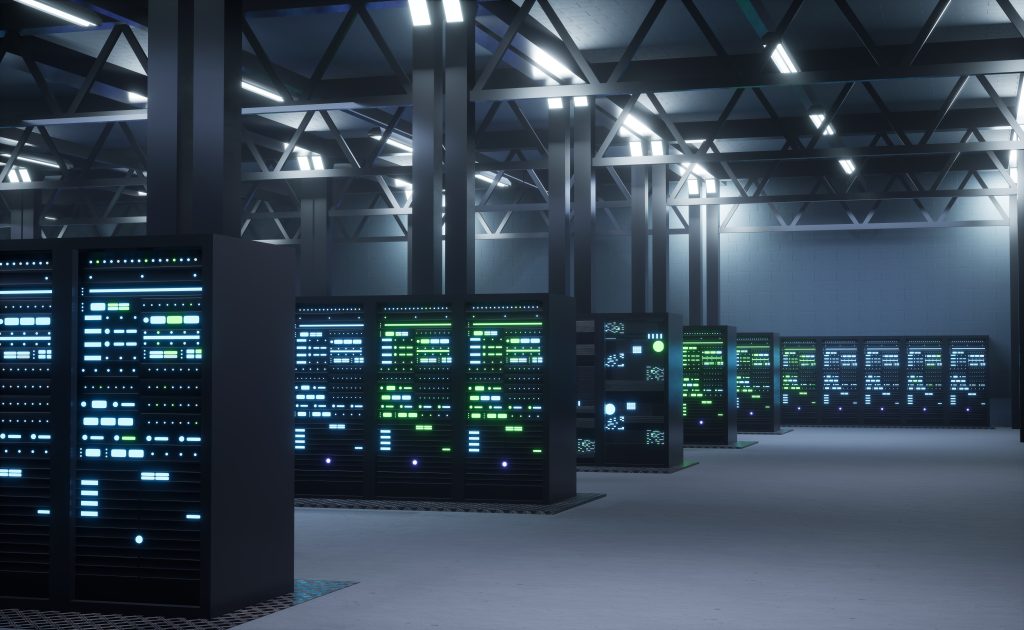
Building the Backbone of a Digital Future
A Year of Transformation
2025 stands as a defining year for global technology infrastructure. What was once considered background IT plumbing has now become a critical pillar for digital competitiveness. From cloud expansion to hardware innovation and sustainable energy consumption, the world’s tech backbone is undergoing its most significant transformation in decades.
This evolution is not merely about upgrading systems, it’s about reshaping how organizations operate, connect, and deliver value in an increasingly connected economy. The next generation of infrastructure is expected to be smarter, faster, greener, and more resilient than ever before.
1. The Rise of Edge and Distributed Computing
For years, businesses have relied heavily on centralized cloud platforms. However, as data volumes explode and the demand for real-time performance intensifies, centralized models are struggling to keep up.
In 2025, edge computing is stepping into the spotlight. By processing data closer to the source, whether it’s a factory floor, a hospital device, or a retail store, edge systems reduce latency, enhance performance, and improve reliability. Distributed computing models ensure continuity, even when central systems fail.
This trend is particularly transformative for industries requiring immediate decision-making, such as healthcare monitoring, financial trading, autonomous vehicles, and logistics networks.
2. The Evolution of Hardware and Semiconductors
Hardware is once again exciting. Gone are the days when servers and chips were treated as commodities. The demand for custom silicon, processors designed for specific workloads, has skyrocketed. From low-power processors driving sustainability goals to ultra-high-speed chips optimized for data-heavy operations, hardware innovation has become a strategic differentiator.
Enterprises are investing in hybrid infrastructures where performance, energy efficiency, and scalability coexist. Companies now view hardware architecture as an innovation platform, not just a cost center.
3. Connectivity Becomes the New Currency
Connectivity has moved beyond convenience, it’s the core of competitiveness. With the expansion of 5G and the early testing of 6G protocols, businesses are unlocking new levels of communication speed and reliability.
Every industry is being reshaped by seamless connectivity:
-
Manufacturing plants rely on real-time machine communication.
-
Healthcare networks depend on ultra-low latency for telemedicine.
-
Retail and logistics firms use connected sensors to monitor supply chains end to end.
This connectivity revolution also fuels the Internet of Everything, where billions of devices interact, share insights, and drive decisions in real time.
4. The Green Technology Imperative
Sustainability is no longer an afterthought, it’s a core metric of success. In 2025, energy efficiency, responsible sourcing, and circular hardware design are central to every major tech strategy.
Data centers are among the largest energy consumers in the digital economy, and companies are reimagining their infrastructure to reduce environmental impact. New cooling systems, modular data centers, renewable energy sourcing, and server recycling programs are becoming standard.
This shift represents not only ethical progress but also cost efficiency, as energy-smart operations reduce long-term expenses.
5. Security and Resilience Take Centre Stage
In a world of distributed systems and constant connectivity, security is paramount. Cyber resilience is now a board-level concern, not just an IT responsibility.
Organizations are redesigning infrastructure to anticipate, absorb, and recover from attacks. This means multilayered protection from zero-trust networking to hardware-level encryption, combined with intelligent monitoring across every endpoint.
Moreover, resilience isn’t only digital; it’s operational. Supply chain stability, redundancy, and failover strategies are being redesigned to ensure business continuity even during large-scale disruptions.
6. Infrastructure as a Business Enabler
Perhaps the most profound change in 2025 is the shift in perception. Infrastructure is no longer a silent cost, it’s a strategic enabler of innovation and revenue. Companies now invest in technology foundations that directly impact customer experience, product delivery, and competitive agility.
When a business launches a new service or scales to a new region, its success depends on the robustness of its digital backbone. Technology teams are being restructured to collaborate closely with business leadership, translating infrastructure capabilities into measurable business outcomes.
Conclusion: The Foundation of the Future
The infrastructure revolution of 2025 marks the beginning of a new era where technology is the lifeblood of every enterprise. The winners will be those who treat infrastructure not as background support, but as the engine of growth, trust, and transformation.
TechSurge.ai continues to explore how evolving technologies, from next-gen connectivity to sustainable systems, can help businesses build resilient, future-ready foundations. The shift is already underway, and those who embrace it today will define the digital economy of tomorrow.