
The Future of Cloud and Connectivity in 2025
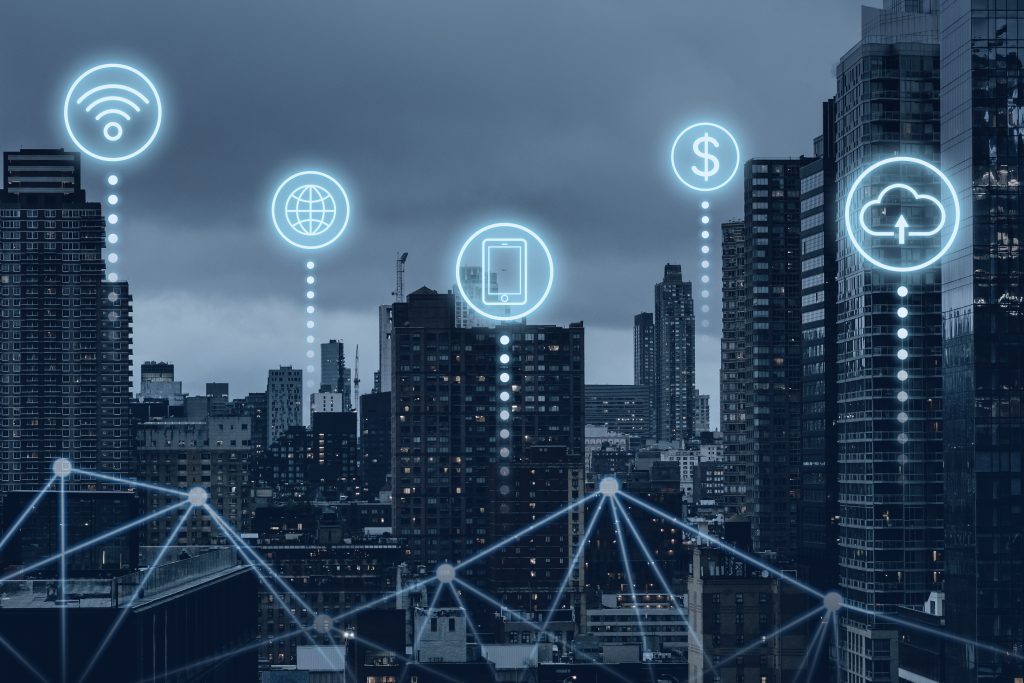
Building a Seamless Digital World
Introduction: The Connected Foundation of the Modern Era
In 2025, technology is not defined by a single innovation but by how seamlessly everything connects. From global cloud networks to real-time data streaming and integrated digital ecosystems, the world is witnessing a transformation that goes far beyond storage and bandwidth. Businesses, governments, and consumers are living in a cloud-first, connectivity-driven environment where information moves instantly, securely, and intelligently.
Cloud computing is no longer just a service; it is the digital nervous system of the global economy. What began as a convenient storage model has matured into an integrated infrastructure for collaboration, analytics, automation, and innovation. The year 2025 marks the moment when connectivity and cloud finally merge into one unified layer of digital enablement.
Cloud Everywhere: From Centralised Systems to Distributed Intelligence
The original promise of the cloud was centralisation. Data, applications, and workloads were moved away from local systems and into central data centres to gain scalability and cost efficiency. That model served its purpose, but the modern world demands more. With billions of devices, sensors, and smart systems generating constant data streams, centralised clouds can no longer deliver the speed and responsiveness required.
In 2025, the new paradigm is distributed intelligence. Cloud resources are being pushed closer to users, devices, and data sources, creating what experts call the “everywhere cloud.” Instead of massive central hubs, networks now consist of smaller, decentralised nodes operating collaboratively. This approach allows information to be processed where it is needed most, reducing latency and improving resilience.
Enterprises in manufacturing, logistics, and healthcare are already deploying this model to power predictive maintenance, autonomous machinery, and remote patient monitoring. These systems operate in real time, supported by local edge computing while still being connected to larger cloud platforms for deeper analytics and long-term data management.
Connectivity Without Boundaries
Connectivity is evolving into the invisible thread that unites the entire digital ecosystem. The arrival of global 5G coverage, combined with early 6G experimentation, has transformed how devices communicate. High-speed, low-latency networks enable complex operations such as real-time monitoring, autonomous driving, and immersive experiences.
In 2025, connectivity is not limited to cities or corporate networks. Rural regions, industrial zones, and even remote environments are being integrated into the global grid through satellite connectivity and low-power wide-area networks. This universal access is enabling digital equality and giving businesses the ability to operate anywhere.
For enterprises, this means data no longer needs to reside in a single location. It can flow securely between cloud layers, devices, and partners, unlocking new collaboration models and business opportunities. The boundaries that once divided data centres, offices, and endpoints are dissolving into one continuous layer of connectivity.
Security, Trust, and the Cloud of Accountability
As the cloud and network layers become more intertwined, the importance of trust grows exponentially. The modern digital economy thrives on data, but it also depends on privacy, transparency, and security. Organisations in 2025 are no longer content with reactive security models. They are building proactive, embedded protection into every level of their architecture.
Cyber resilience has become the defining measure of success. Enterprises are focusing on secure-by-design principles, encryption at every level, and real-time monitoring powered by continuous analytics. Trust frameworks are evolving beyond passwords and firewalls into dynamic systems that authenticate users and devices contextually, adapting to risk in real time.
More importantly, trust has become a differentiator. Customers choose providers and partners based on transparency, ethical data handling, and proven security practices. Businesses that fail to establish digital accountability quickly fall behind in an economy where trust is the most valuable currency.
The Convergence of Cloud, Data, and Experience
The future of cloud and connectivity is not just technical—it is experiential. The goal is to deliver technology that feels invisible, instant, and intuitive. Whether an employee logs into a collaboration platform or a consumer interacts with a digital storefront, the expectation is for everything to function flawlessly and respond instantly.
Behind this simplicity lies an intricate network of interconnected systems. Data flows between private and public clouds, applications adjust dynamically based on workload demand, and devices synchronise in real time. The result is a digital experience that feels effortless but is built on complex engineering.
Companies are now treating user experience as part of their infrastructure strategy. Fast connections, reliable uptime, seamless scaling, and efficient content delivery are all elements of the new performance standard. The smoother the experience, the stronger the brand trust and customer loyalty.
Sustainability in the Age of Infinite Connectivity
One of the most profound transformations in 2025 is the alignment between technological progress and environmental responsibility. The global cloud network consumes enormous energy, and organisations are under growing pressure to reduce their carbon footprint.
Green data centres, renewable energy integration, and intelligent resource management are now priorities for technology providers. The industry is embracing a new wave of sustainable computing, where energy efficiency is built into the design of processors, storage, and network systems.
Cloud providers are developing adaptive workloads that optimise energy consumption based on demand, while network operators are investing in eco-friendly hardware. Sustainability has evolved from a compliance metric to a competitive advantage, shaping how the next generation of infrastructure will be built.
Conclusion: The Road Ahead
The technological story of 2025 is one of convergence. Cloud computing, networking, data analytics, and security are no longer separate pillars, they are parts of a single, unified ecosystem. This convergence is redefining how businesses grow, how societies connect, and how people experience the digital world.
The cloud is becoming the foundation of everything, while connectivity provides the lifeblood that keeps it moving. Together, they form the architecture of a world that is faster, more intelligent, and more inclusive than ever before.
At TechSurge.ai, we believe this evolution is not simply about adopting new technology—it is about creating a connected foundation for the future. The businesses that embrace this change with foresight, responsibility, and innovation will lead the next decade of digital transformation.