
The Rise of Smart Devices in Everyday Workplaces
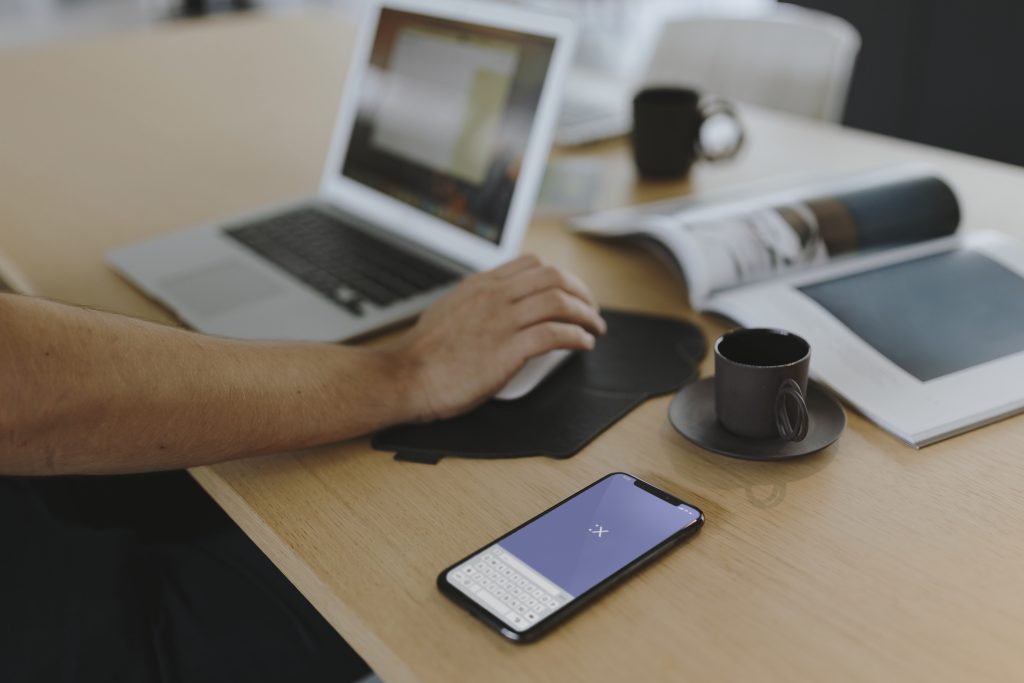
Smart devices are becoming common in modern workplaces. They help teams work faster, stay organized, and create smoother workflows. As workplaces continue to grow more digital, these tools are playing a much bigger role in daily tasks. Therefore, companies are now investing more in smart device systems that support flexible and efficient work.
Why Smart Devices Matter
Many offices rely on smartphones, tablets, smart screens, and connected sensors. These tools make it easier to share information, track tasks, and manage spaces. In addition, smart devices reduce the need for manual processes. As a result, teams save time and make fewer mistakes.
How Smart Devices Improve Workplaces
-
Better Communication
Smart devices support instant messages, voice calls, and video meetings. Therefore, employees can connect from anywhere without delays. -
Automated Workflows
Tools like smart assistants and connected apps help schedule meetings, send reminders, and organize tasks. As a result, teams stay on track with less effort. -
Smart Office Management
Sensors monitor room availability, adjust lighting, and track energy use. This creates a more comfortable and productive environment. -
Stronger Collaboration
Shared tablets, smart boards, and wireless displays allow teams to work together easily. Moreover, presentations and ideas flow much more smoothly.
Benefits for Companies
Smart devices bring many advantages to workplaces. For example:
-
Faster decision-making
-
Improved teamwork
-
Lower operational costs
-
A more flexible work environment
-
Better use of office space
In addition, companies that adopt smart devices early gain a competitive edge because their teams can work more efficiently.
Future Trends
Smart workplaces will continue to evolve. More devices will connect through unified platforms, making management even easier. In addition, voice-controlled systems and automation will become standard features. As a result, offices will become more intuitive and supportive of hybrid work models.
Conclusion
Smart devices are transforming how modern workplaces operate. They help teams communicate better, automate tasks, and use office resources wisely. As a result, organizations that adopt smart tools will enjoy faster, smoother, and more productive workflows.